

Creating Tomorrow
Learner Voice Helping Shape Inclusive Learning Spaces
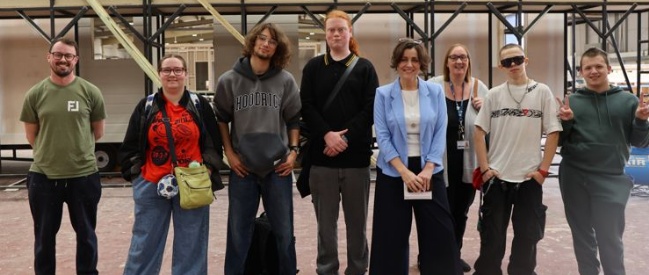
Recently, learners from Isebrook School were given a fantastic opportunity to visit Foundry Education in Rushden, where they took part in an inspiring session focused on something incredibly important, how learning environments can be designed to better support young people with SEND.
The visit included a full tour of the Foundry site, giving learners the chance to explore the working environment and see first-hand how projects move from idea to reality. The team on the shop floor paused work to allow learners to safely explore and ask questions, which created a really welcoming and engaging experience for everyone involved.
Following the tour, learners took part in a co-design discussion led by Co Founder and Education Director, Carly Waterman, where they were encouraged to openly share what helps them feel safe, calm and able to learn in educational environments. The session created a genuine platform for learner voice, allowing young people to contribute directly to conversations that could shape future inclusion spaces.
It was incredible to see the confidence, honesty and insight our learners brought to the discussion. They spoke thoughtfully about lighting, space, furniture, colours and sensory experiences, often building on one another’s ideas and experiences. Conversations moved naturally from broad themes around comfort and wellbeing to very specific details that can make a huge difference to how a space feels.
One learner explained:
“If you're in rows and you're stuck in the middle row, there's no room to move — you feel restricted. That's stressful.”
Another highlighted the importance of natural light:
“More windows, so you get natural light. Like roof lights — natural lighting. Because these fluorescent lights are not always great for you.”
Learners also discussed how softer, calmer environments help them feel more regulated and focused, with comments including:
“I prefer sitting on sofas or something soft. It's that homely feeling.”
What stood out most from Foundry Education was how perceptive and reflective the learners were. One particularly powerful insight compared the thoughtfulness that businesses put into designing welcoming commercial environments, such as coffee shops and restaurants, with the lack of consideration sometimes given to how schools actually feel for the people using them every day.
These conversations are so important. Too often, environments are designed for young people without taking the time to truly listen to them. This experience showed the value of bringing education and industry together to co-produce spaces that genuinely consider wellbeing, accessibility and inclusion from the very beginning.
Learners also had the opportunity to meet with Foundry Education’s Design Manager, Paul Remmington, who answered questions about the design and build process. Students asked insightful questions about technical drawings, layouts and how ideas are translated into real spaces, showing fantastic curiosity and engagement throughout.
To continue the project, learners were invited to take away floor plan templates to begin designing their own ideal learning spaces, with a wider school design competition now being explored as a follow-up activity.
Experiences like this are incredibly valuable. Not only did learners develop confidence, communication and critical thinking skills, but they also saw first-hand that their voices matter and can influence real change.
Foundry Education is built on 46 years of combined expertise, and is a family partnership. They believe that inclusion should be baked in from the start, not added later.
A huge thank you to everyone at Foundry Education for creating such a thoughtful, welcoming and empowering experience for our learners. We are excited to see where this partnership develops next.